

Imagine stepping into your backyard and instantly feeling a wave of calm wash over you. A zen garden isn’t just a patch of raked gravel; it’s a sanctuary that transforms chaos into serenity. With the right design, it can turn even the smallest outdoor space into a peaceful retreat, perfect for meditation or simply sipping tea while contemplating life’s mysteries—like why socks always disappear in the laundry.
Creating a zen garden allows anyone to channel their inner monk (or at least pretend to) while enjoying the benefits of nature. From the soothing sound of a bamboo fountain to the gentle crunch of gravel underfoot, every element invites relaxation. So why not trade that overgrown lawn for a slice of tranquility? A zen garden could be just the oasis you never knew you needed.
Overview of Zen Garden Backyard
Zen gardens serve as peaceful escapes designed for relaxation and mindfulness. They contain specific elements that encourage a meditative state. Common features include gravel, rocks, and minimalist plant life, each playing a crucial role in creating harmony.
Gravel represents water, as its raked patterns symbolize rippling waves. It’s essential to choose the right type of gravel, typically white or light-colored, to enhance the overall aesthetic. Rocks, placed thoughtfully within the garden, signify mountains or islands, adding depth and creating focal points.
Plants should be sparse but carefully selected, often featuring evergreen species that maintain their visual interest year-round. Bamboo or moss can contribute to a tranquil vibe, inviting a sense of calm.
Creating pathways can improve accessibility while guiding visitors through the space. These paths may consist of stepping stones, wooden planks, or gravel, reinforcing the natural theme.
Incorporating seating areas allows for contemplation and enjoyment of the surroundings. Simple benches or stone seats placed strategically enhance the experience of tranquility.
Sound also plays an integral part in a zen garden. Incorporating water features, like small fountains or ponds, provides soothing auditory elements that foster relaxation.
Atmosphere is vital in ensuring the garden fulfills its purpose. Keeping the space clean and well-maintained promotes a sense of order and peace. Regular upkeep helps maintain the zen garden’s intended serenity.
Overall, the intentional design of a zen garden backyard creates a retreat from the chaos of daily life. Engaging the senses through thoughtful placements and elements delivers an immersive experience of tranquility.
Benefits of a Zen Garden Backyard
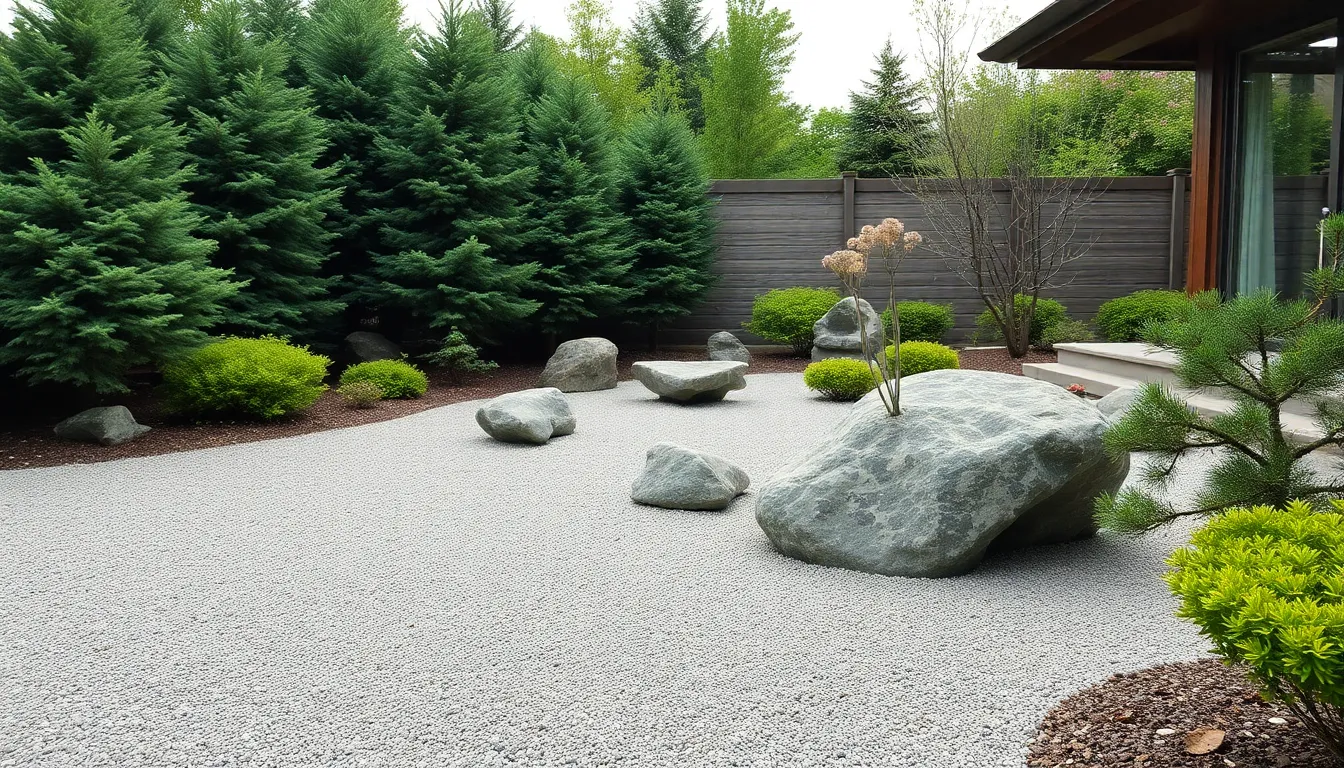
Creating a zen garden in the backyard brings numerous benefits that enhance both mental and visual experiences.
Mental Health Advantages
Improving mental health significantly ranks among the primary benefits of a zen garden. The tranquil setting promotes mindfulness and alleviates stress through meditation. Natural elements create an environment conducive to relaxation. Regular visits to the garden can lower anxiety levels and induce a sense of calm. Engaging with nature outside reduces symptoms of depression. Intentional design fosters a peaceful atmosphere, allowing for self-reflection and relaxation. Research illustrates that spending time in green spaces can lead to improved overall well-being. The simplicity of the design can help clear the mind, aiding in better focus and productivity.
Aesthetic Appeal
Enhancing aesthetic appeal stands out as another key advantage. A zen garden’s minimalist design captivates the eye while maintaining elegance. Carefully arranged rocks and raked gravel create intricate patterns that draw admiration. Incorporating evergreen plants introduces lush greenery, adding depth to the overall composition. The flowing lines of pathways invite exploration and create structured order. Transforming a backyard into a serene oasis cultivates an inviting atmosphere for family and guests. Natural beauty fosters a sense of harmony, making the space enjoyable year-round. Overall, a well-designed zen garden enriches its surroundings and elevates outdoor experiences.
Key Elements of a Zen Garden Backyard
A zen garden backyard features several key elements that contribute to its peaceful ambiance. Each component plays a vital role in creating a serene space for reflection and tranquility.
Sand and Gravel
Sand and gravel form the foundation of a zen garden. Raked patterns in these materials symbolize water, enhancing the illusion of tranquility. Gravel grounds the space, offering a visually pleasing texture. Fine sand creates a smooth surface that encourages mindfulness during the raking process. Maintaining consistent patterns not only provides aesthetic appeal but also instills a sense of calmness through the repetitive action. Regular upkeep keeps the area tidy, reinforcing a clean environment that fosters relaxation.
Stones and Boulders
Stones and boulders add depth and structure to a zen garden. Strategically placed large rocks serve as focal points, symbolizing mountains or islands. Smaller stones complement these features, creating harmony within the overall design. Each stone invites contemplation, encouraging individuals to connect with nature. Choosing natural stones enhances the organic feel of the garden. Proper spacing between boulders allows for a balanced layout that promotes movement and exploration.
Plants and Bamboo
Plants and bamboo introduce life and color to a zen garden. Evergreen plants, known for their resilience, provide year-round greenery that enhances tranquility. Carefully selected shrubs or small trees offer subtle variations in height and texture. Bamboo contributes an element of elegance, appealing both visually and audibly with its gentle rustling in the wind. Minimalist planting encourages open spaces, ensuring that greenery does not overwhelm the tranquil atmosphere. Regular pruning helps maintain an orderly appearance, reinforcing peace and simplicity.
Designing Your Zen Garden Backyard
Creating a zen garden backyard requires careful consideration of various elements to achieve tranquility. Essential aspects include location, layout, and design that align with the theme of serenity.
Choosing the Right Location
Selecting the right location sets the foundation for a successful zen garden. It’s essential to find a space that offers natural privacy and calm away from noise. Proximity to trees or shrubs enhances the sense of seclusion while providing dappled sunlight. Placing the garden near a natural sound source, like a stream, increases relaxation. Avoid areas with heavy foot traffic to maintain the peaceful atmosphere. Local climate also influences plant selection, so consider sun and shade patterns throughout the day.
Layout and Design Tips
Establishing a balanced layout enhances the visual appeal and tranquility of a zen garden. Begin with well-defined boundaries using natural materials such as stone or wood. Arrange gravel or sand to create smooth paths promoting mindful walking. Incorporate large rocks as anchor points, symbolizing mountains or islands within the design. Additionally, maintaining open spaces allows for breathing room amidst the elements. Choose sparse plantings, often consisting of evergreens or bamboo, to emphasize simplicity. Each garden feature contributes to an overall sense of harmony and contemplation.
Maintenance of a Zen Garden Backyard
Regular upkeep is essential for preserving the tranquil nature of a zen garden backyard. Sweeping gravel removes debris, ensuring clean and clear raked patterns. Raking patterns weekly helps maintain the appearance and symbolism of flowing water. Inspecting stones and boulders for shifting keeps them stable and prevents disruptions to the overall design.
Watering the plants encourages healthy growth. Evergreen plants require minimal maintenance; however, occasional pruning keeps their shape and promotes vitality. Bamboo may need attention too; managing its growth prevents it from becoming too dominant in the space. If necessary, replacing any dead or overgrown plants enhances the garden’s aesthetic appeal.
Cleaning water features also contributes to the garden’s serenity. Regularly removing debris prevents algae buildup and keeps the water clear. Enhancing the sound of flowing water through proper maintenance adds to the calming atmosphere.
Checking for weeds can enhance the beauty of the garden. Hand-pulling weeds ensures that they don’t disrupt the careful arrangement of gravel and plants. Maintaining clear pathways is vital for accessibility and encourages contemplation.
Seasonal adjustments could involve decorative elements as well. Incorporating seasonal flowers or ornamental grasses can introduce color without overwhelming the minimalist design. Observing the garden’s performance through different seasons allows for timely adjustments to keep its serene environment.
Adhering to these maintenance tips ensures a zen garden backyard remains a peaceful retreat, perfect for meditation or reflection. Each step in this process underscores the importance of commitment in sustaining the garden’s tranquil essence.
Creating a zen garden backyard offers a unique opportunity to cultivate a personal sanctuary. By thoughtfully incorporating elements like gravel, stones, and minimal plant life, individuals can design a space that promotes peace and mindfulness. The tranquil atmosphere not only enhances outdoor aesthetics but also contributes significantly to mental well-being.
Regular maintenance ensures that this serene retreat remains inviting and functional. With careful attention to detail, a zen garden can transform any chaotic outdoor area into a harmonious oasis. Embracing this peaceful design can lead to a deeper connection with nature and a more balanced lifestyle.